Exhibition Overview -

(BE SURE TO UPDATE TEXT HERE) 
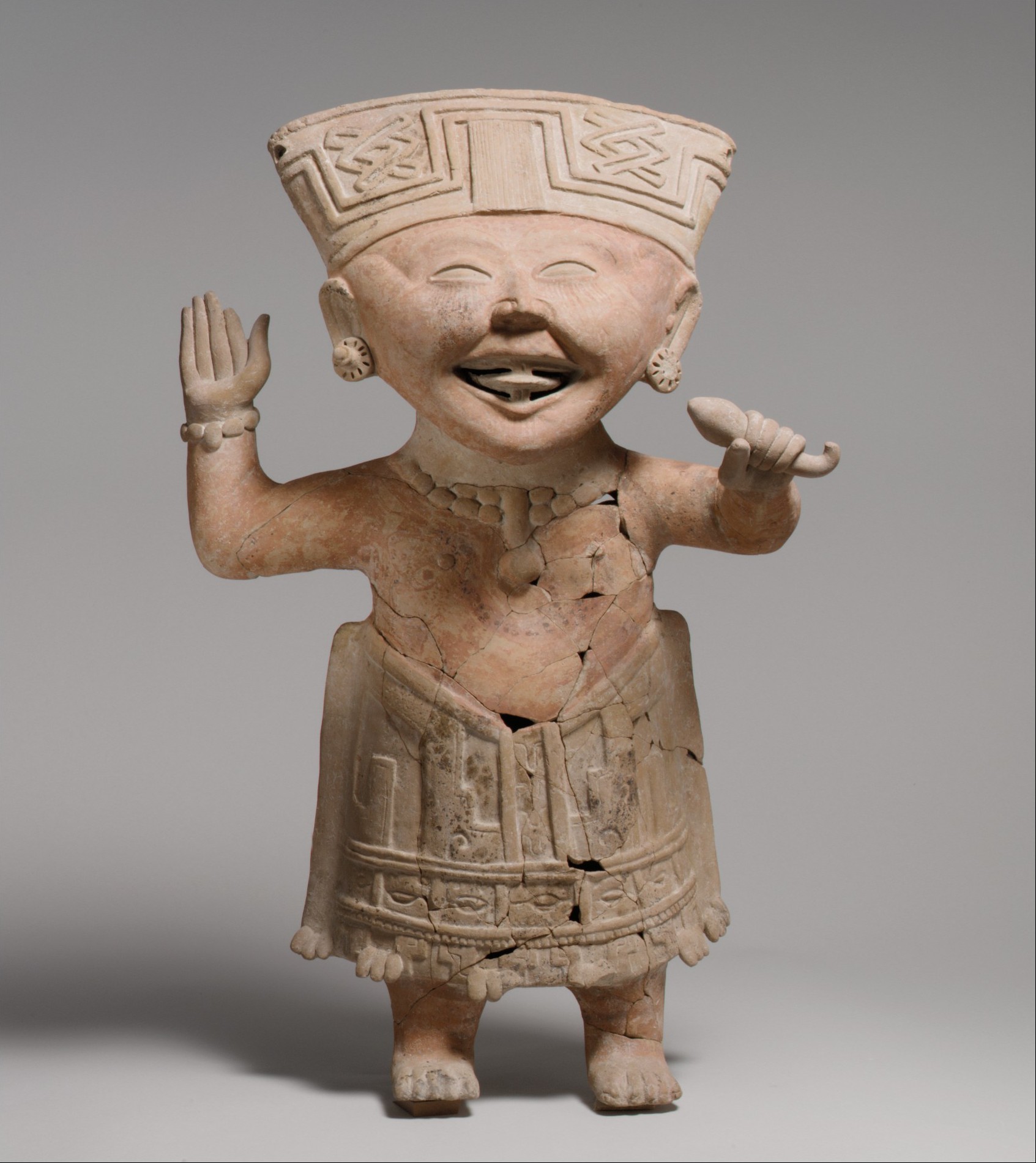
This exhibition explores the ways in which several cultures were representative in the ways they showed different kinds of people throughout their visual culture. The different ways people of higher and lower statuses were adorned and colored is a good example of this. Certain colors, such as blue, were more expensive or difficult to produce than others, leading to some higher status people frequently sporting those colors. This information is also true of supernatural beings who were important to the various rituals or stories commonly shown on wall paintings and ceramics dedicated to them. Thinking about the way sex and gender is explored in these cultures is interesting as well. There is evidence of representative figurines being buried with children that are thought to be meant to represent them. Some of these figurines were thematically androgynous in the way that the dead child had not fully joined society as an adult yet, and so if they had no adult place, they were symbolically depicted as having no male or female characteristics. Looking at supernatural figures again, they often have one or more animalistic qualities associated with them, separating them from the rest of the human race. For example, Coatlicue, a major supernatural figure, has a head literally made from two snake heads coming together to make a face. Additionally, she wears a skirt of snakes, and has skulls and hands attached to her person. This would very obviously not be a regular person. These are all things people notice, but might not think about the significance of. This exhibition aims to change that, and bring these details to the forefront.