Social Class
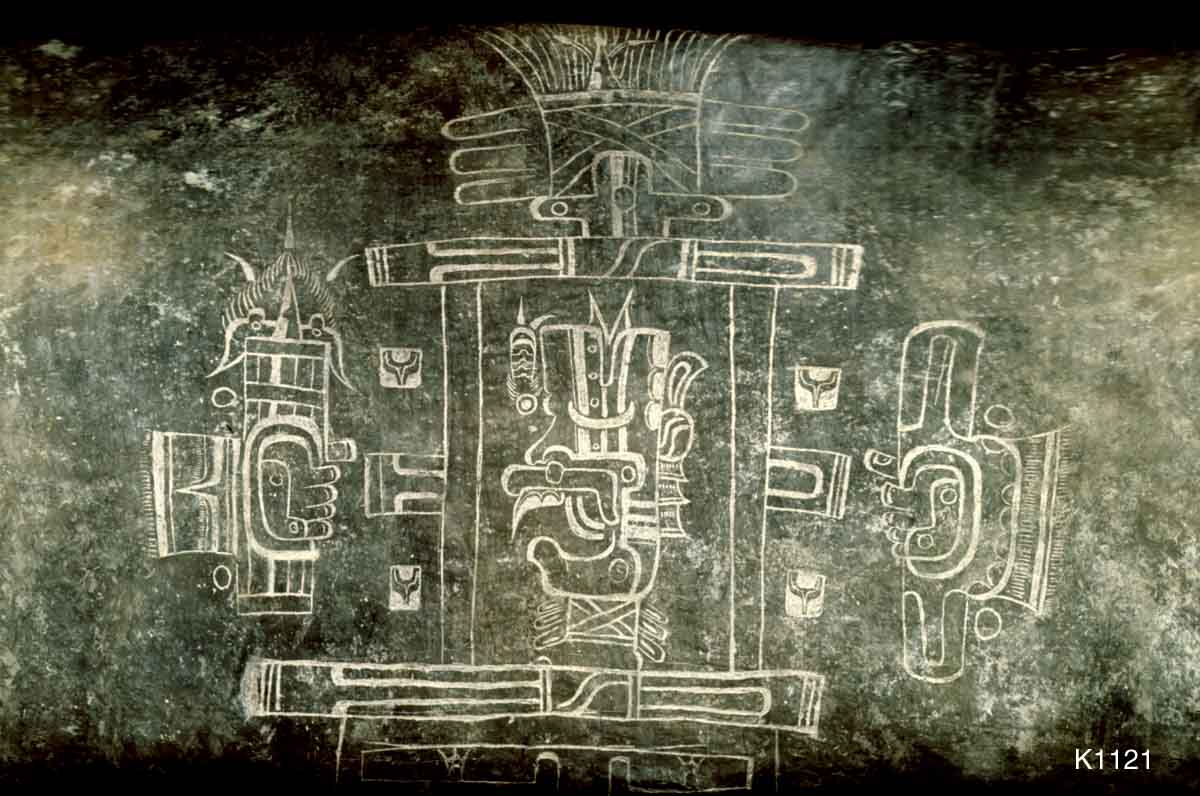
Incised Style Vase, Kerr #: 1121
Mexico, Olmec, c. 700-500 BCE
Ceramic
Height: 46 cm. (18.11 in.)
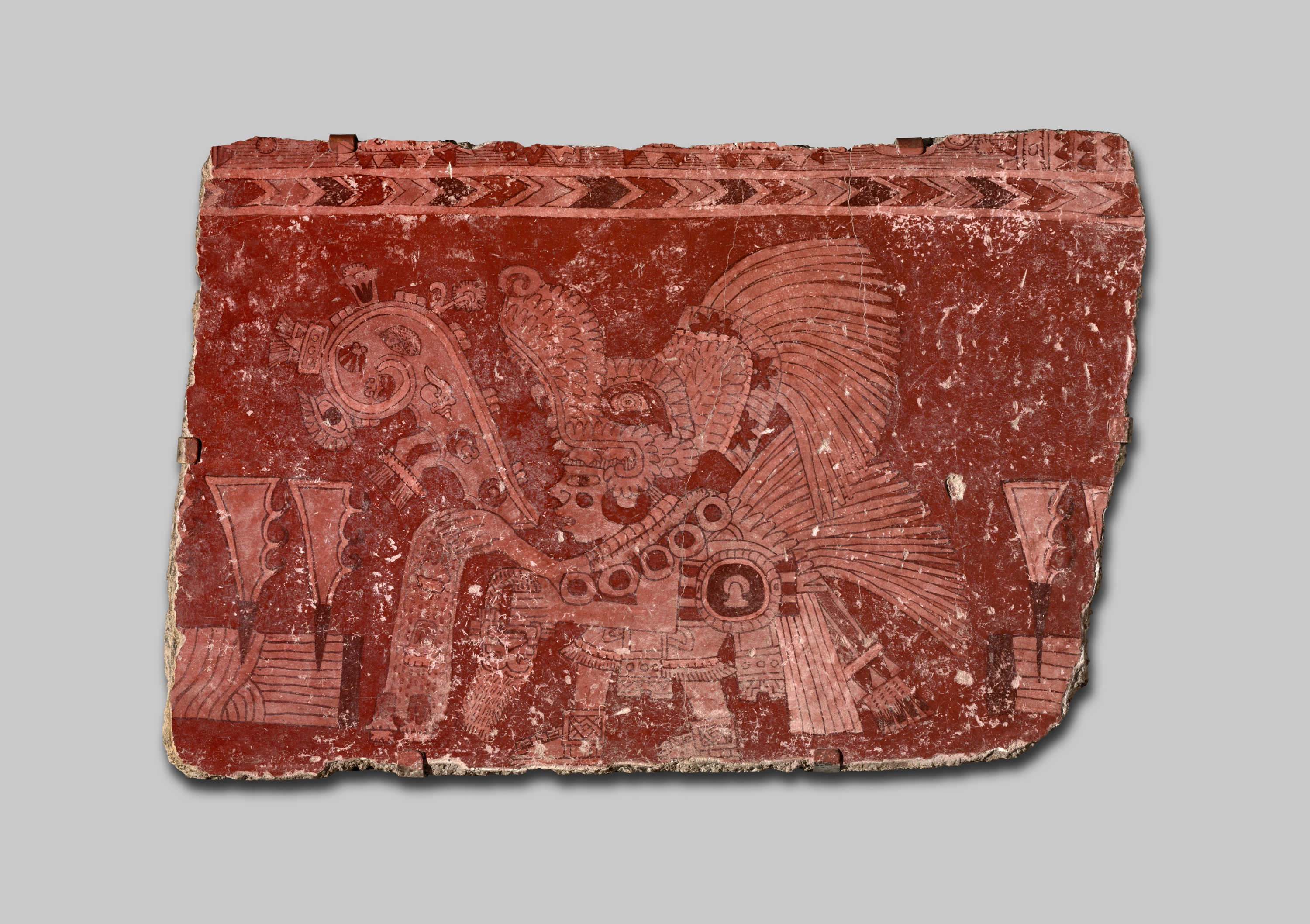
Mural Fragment Depicting a Maguey Bloodletting Ritual
Mexico, Teotihuacan, c. 500-600 CE
Lime plaster with mineral pigment
63.8 × 95 cm (25 × 37 1/2 in.)
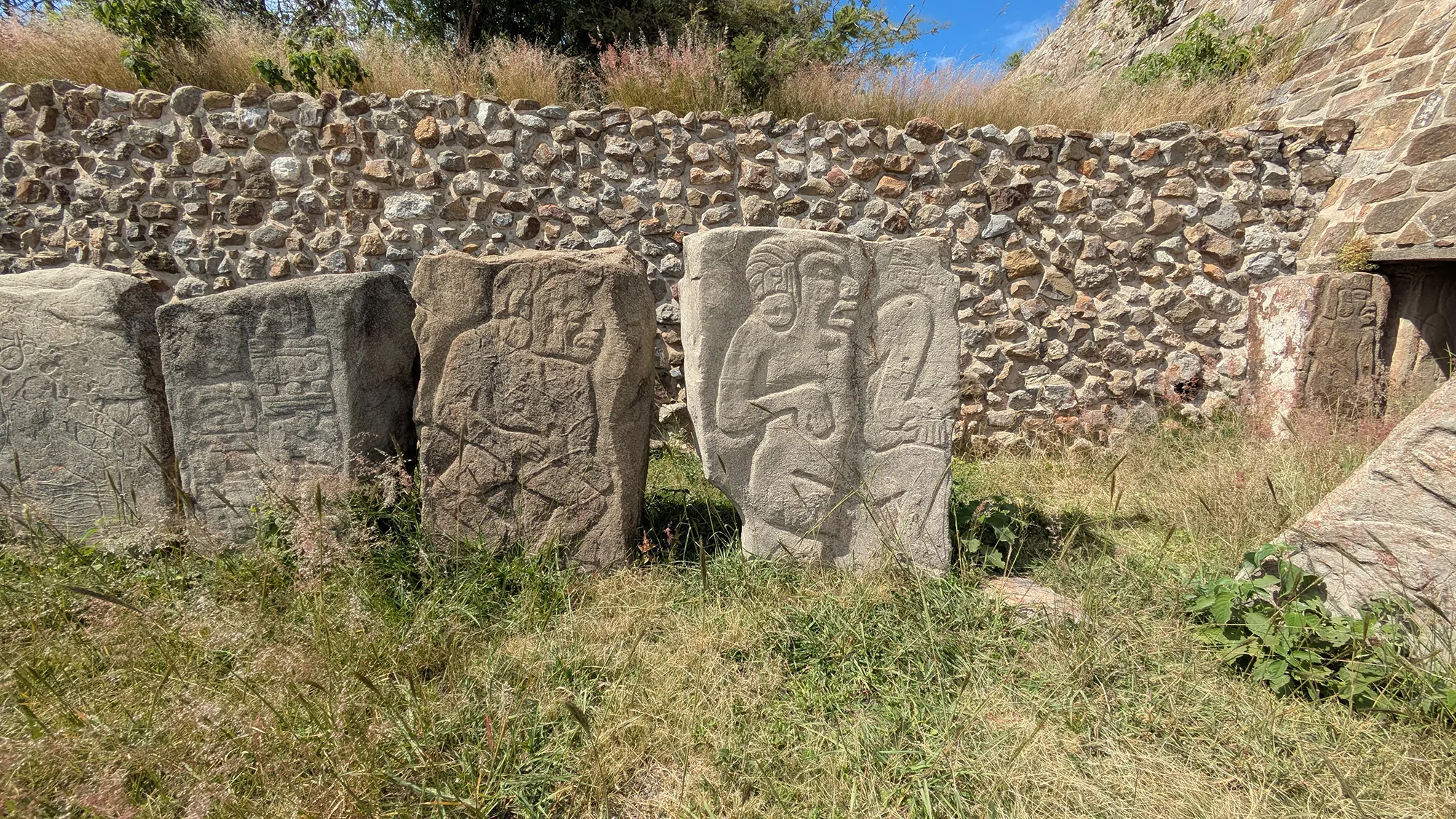
Danzantes
Monte Alban, Mexico, Zapotec
c. 500–100 BCE
Carved stone slabs (bas-relief), volcanic tuff or limestone
Varying; up to 1.5 m (4.9 ft) tall, 0.5–1 m (1.6–3.3 ft) wide
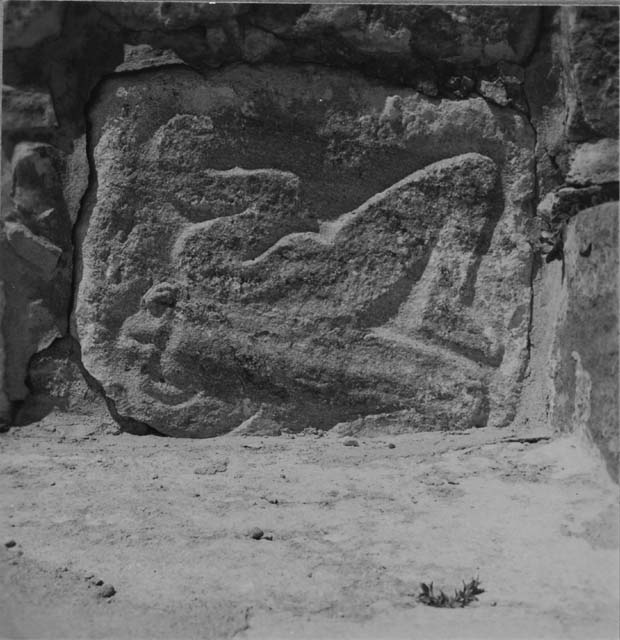
Danzante Sculptures
Monte Alban, Mexico, Zapotec,
c. 500-100 BCE
Carved stone slabs (bas-relief), volcanic tuff or limestone
Varying; up to 1.5 m (4.9 ft) tall, 0.5–1 m (1.6–3.3 ft) wide
Rulers, priests, and prisoners all had their own ways of being represented. Rulers sometimes had supernatural aspects to them such as the claws or face of a jaguar, sometimes not even appearing completely human. Regardless, they were consistently adorned with headdresses and piercings which set them apart from the masses like the above example. Priests are similar, but less adorned, except perhaps during certain rituals, such as a sacrifice or bloodletting ritual, seen here. Prisoners were often stripped of all their clothing and accessories to emphasize the significant difference in importance from everyone else.